Ask a room of office managers whether they want greener cleaning and every hand goes up. Ask what that means in practice and you get blank looks. It's a fair question — 'eco-friendly' is a marketing word as much as a meaningful one.
Start with what is actually used
The biggest single lever is the product itself: choosing cleaners with lower environmental impact, using concentrates that are diluted on site (less plastic, less transport), and not using a harsher chemical than a job needs. Most everyday cleaning — desks, floors, washrooms — doesn't need anything aggressive.
Stronger products still have a place: descaling, heavy grease, disinfection when it's required. Greener cleaning is about using the right product, not never using a strong one.
Less waste, not just greener labels
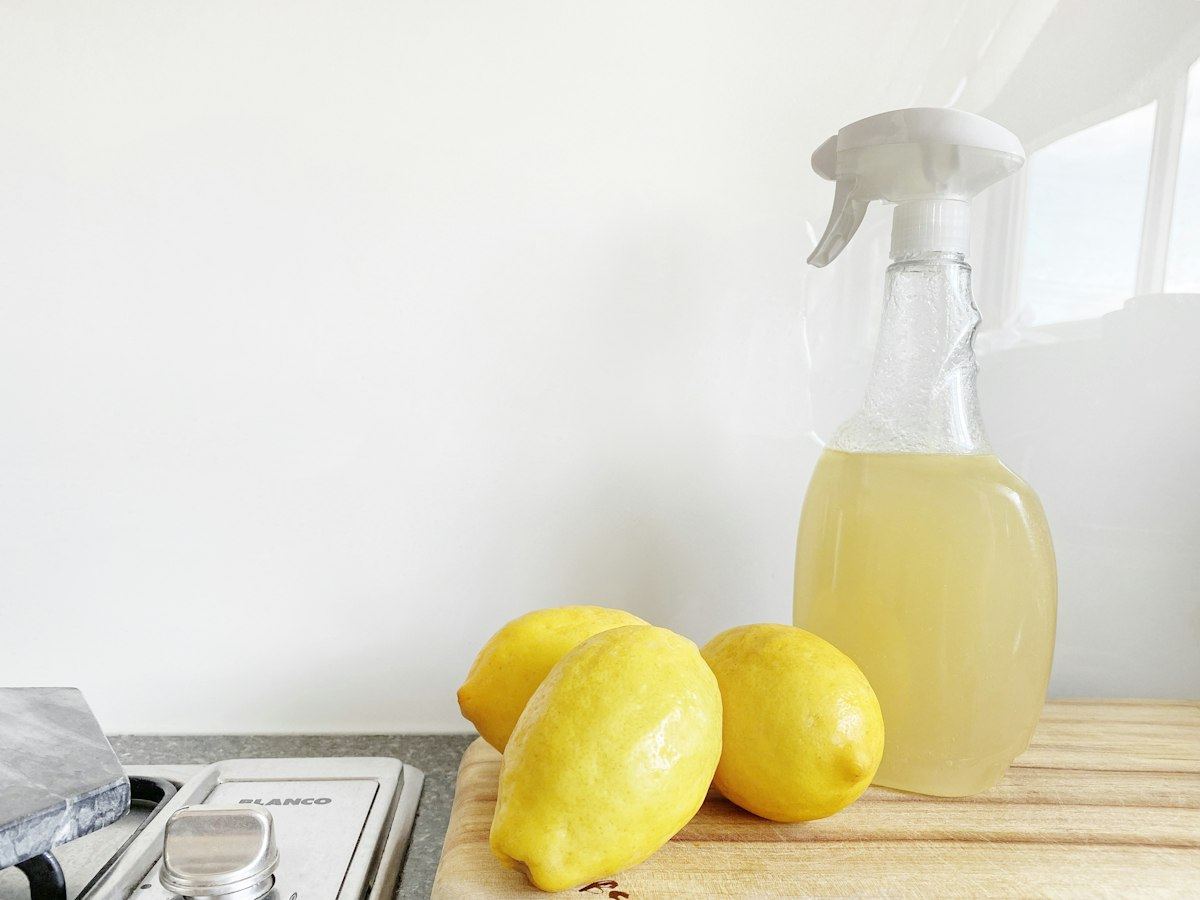
Reusable microfibre cloths instead of disposable wipes, refillable bottles, and machines that use less water all reduce waste far more than a switch of brand. Sorting waste properly — recycling picked up and kept separate from general waste — is another change that makes a real difference.
It's also about fewer visits with better planning: a cleaner who covers the building efficiently uses less energy, less water and fewer resources than one who does the job twice.
Questions to ask a cleaning company
What products do you use, and can I see the data sheets? What do you do with waste and recycling? How do you reduce water and disposables? A company that has thought about it will answer quickly. One that hasn't will change the subject.
We're happy to talk through what we use on a walkthrough, and it's part of how we run our janitorial services.
Greener cleaning is mostly about using less — less chemical, less plastic, less water — not buying a nicer-sounding bottle.
The short answer
Ask what's used, what's wasted and what's recycled. Reusable cloths, concentrates and proper waste sorting matter more than the word 'eco' on the label.