Windows are one of the first things anyone notices walking into a building, and one of the easiest things to let slip because grime builds up gradually rather than all at once. Here's what actually goes into keeping them properly clean, and how often it's genuinely needed.
How often is actually necessary
Ground-floor and reception glass — the surfaces visitors and clients actually see up close — generally needs attention weekly or fortnightly in a Central London building, where traffic pollution and general city grime build up faster than most people expect. Upper floors and internal glass can usually stretch to monthly without it showing.
What's actually included
- Interior and exterior glass — streaks and smears are often more visible from inside than out
- Frames and sills, which collect as much grime as the glass itself but get noticed far less
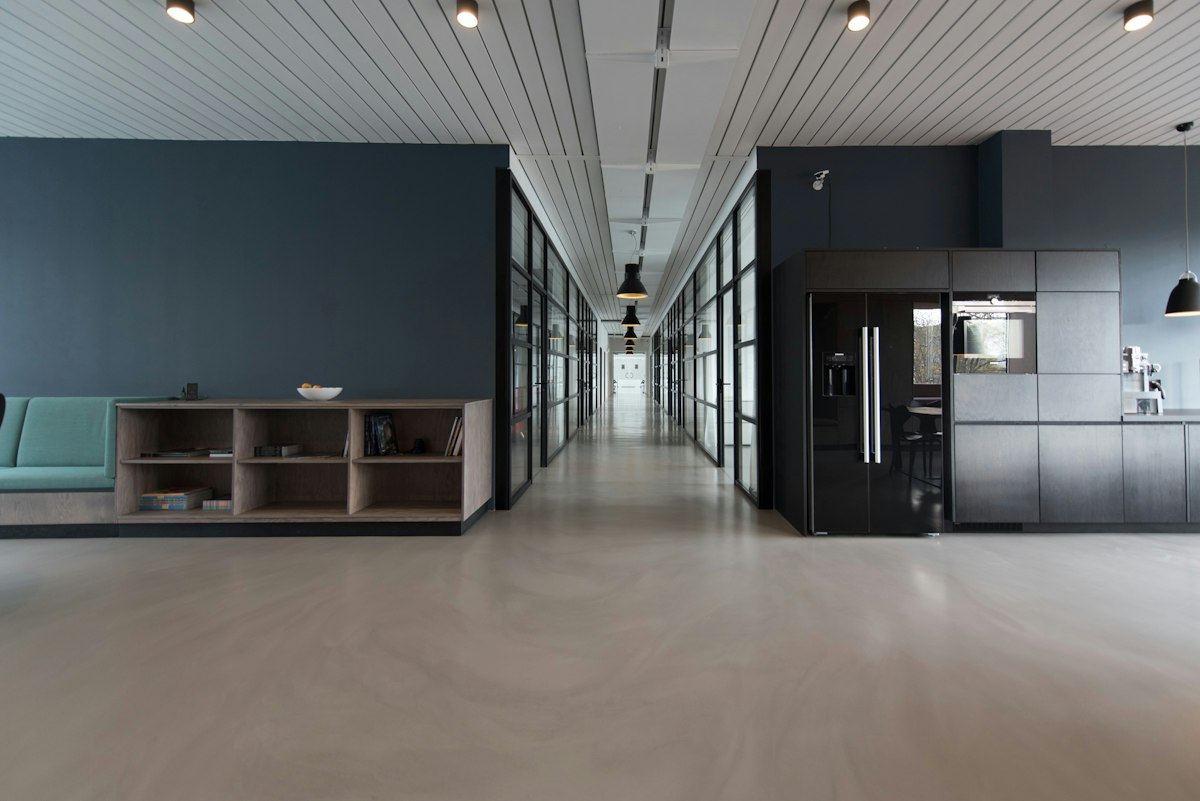
- Glass partitions and internal meeting room walls, increasingly common in modern office layouts
- Mirrors in washrooms and communal areas, usually bundled into the same visit
What makes it harder in Central London specifically
Traffic pollution and general city dust settle on glass faster here than in a lot of other places, which is exactly why the same building might need more frequent window attention in London than the identical building would elsewhere. It's also why streaking is more noticeable here — residue mixed with pollution shows up more than plain dust.
Grime on glass builds up gradually, which is exactly why it's easy to stop noticing it — until a visitor points it out.
Getting it right
Done properly, window cleaning shouldn't need scaffolding or major disruption for most office buildings — just the right kit and a schedule that actually matches how quickly your specific windows pick up grime.