Handing a freshly refurbished or newly built office over to a standard cleaning visit is usually a mistake — not because the team isn't capable, but because construction dust and debris behave completely differently from everyday office mess, and need a different process to actually deal with.
Why construction dust is a different problem
Fine dust from cutting, sanding and general building work doesn't stay in the room where the work happened — it travels through air handling systems, settles on every horizontal surface, and works its way into places a normal clean would never think to check: inside light fittings, behind switch plates, on top of ceiling tiles, inside vents.
What an after-build clean actually covers
- Every surface wiped down, not just the visible ones — tops of cupboards, door frames, window sills, skirting boards
- Vents and light fittings, where fine dust settles and standard cleaning never reaches
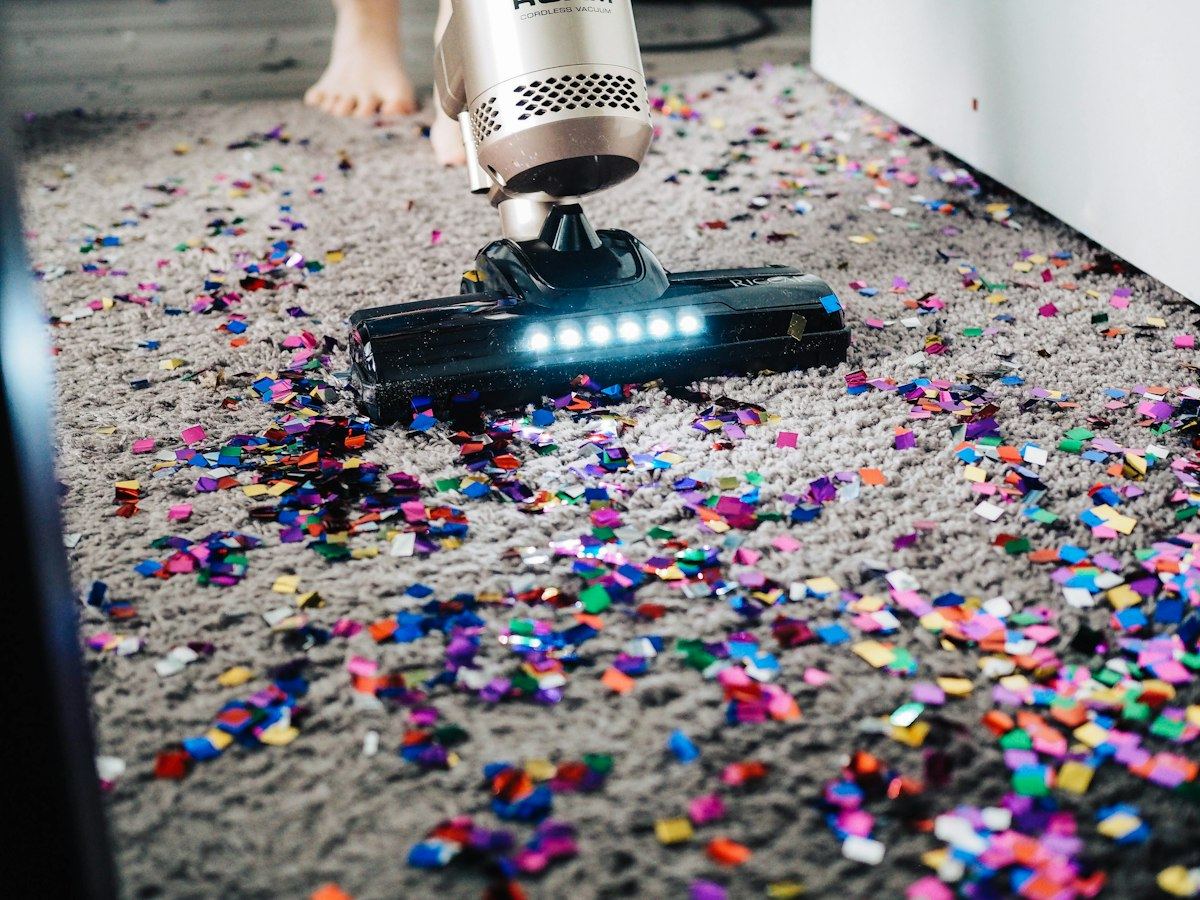
- Floors properly treated for the specific residue construction work leaves behind, not just vacuumed
- Glass and windows, both to remove dust film and any protective coverings or residue left from the build
Why the timing matters
Doing this properly before anyone moves back in matters for more than appearance — fine construction dust genuinely affects air quality and can aggravate allergies and respiratory issues if it's just disturbed and resettled rather than actually removed.
Construction dust doesn't stay where the work happened — it settles everywhere, and standard cleaning isn't built to find it all.
The bottom line
A proper post-construction clean is a one-off, thorough job — fully insured for contractor handover — that resets a newly finished space to a genuinely clean starting point, not just a tidy-looking one.