An office move is the one time you clean a building that has nobody in it. It's also when most of the money at stake — your deposit, your first impression in the new space — turns on how well the cleaning is done.
Before you leave: the handback clean
Your lease will say what condition the space must be returned in, usually as it was received, allowing for fair wear and tear. In practice that means empty floors cleaned throughout, carpets and hard floors treated, kitchens and washrooms restored, windows cleaned, and marks removed from walls and doors.
The final inspection is usually done by the landlord's agent, who looks at exactly the places a hurried clean misses: inside cupboards, behind doors, on window ledges and in the kitchen. Book the clean for after the furniture has gone but before the inspection, so nothing is undone.
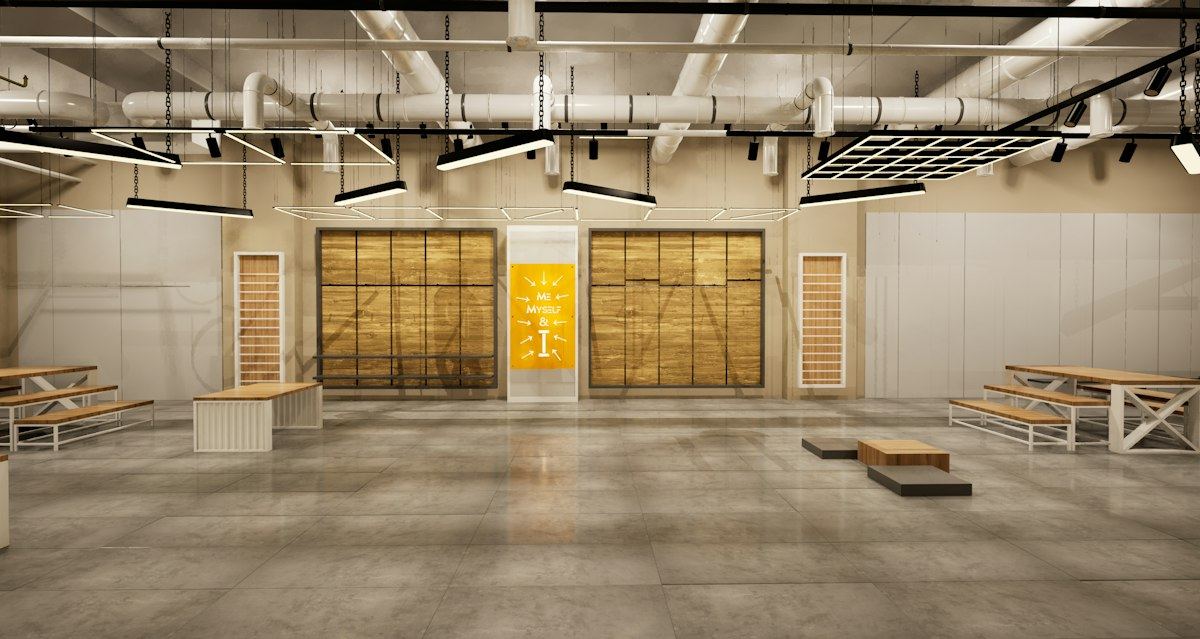
Before you arrive: the move-in clean
The new space rarely arrives spotless. Even a clean office has months of dust, and a fit-out leaves far more behind. Cleaning before furniture and IT go in is far easier and cheaper than cleaning around them afterwards.
A move-in clean typically covers floors, washrooms, kitchen areas, windows and surfaces — and if there's been building work, our after-build cleaning is the better fit.
Book them early
Movers, agents and landlords all work to fixed dates, so cleaning gets squeezed into the gap between them. Booking the cleans as soon as the dates are set — and telling us if the dates move — is the easiest way to avoid a rush.
We cover this properly on our end of tenancy cleaning page, including short-notice availability.
The cheapest way to lose a deposit is to leave the cleaning until the last afternoon.
The short answer
Two cleans, booked early: a handback clean to the standard your lease asks for, and a move-in clean before furniture goes in. Get the dates to your cleaning company as soon as you have them.