Nobody compliments a clean washroom, but everybody notices a bad one. It's the fastest way a visitor decides what your business is like behind the front door — and it's one of the first things staff bring up when something slips.
What a proper washroom clean covers
Every visit should include cleaning and disinfecting toilets, urinals and seats, basins and taps, mirrors and hand-drying areas, plus door handles, light switches and dispenser buttons. Floors are mopped with a disinfectant, not just wiped, and bins are emptied and relined.
Cubicle partitions, the base of toilets and the grout around them are where staining starts. They're covered on a rolling basis so nothing is left for months.
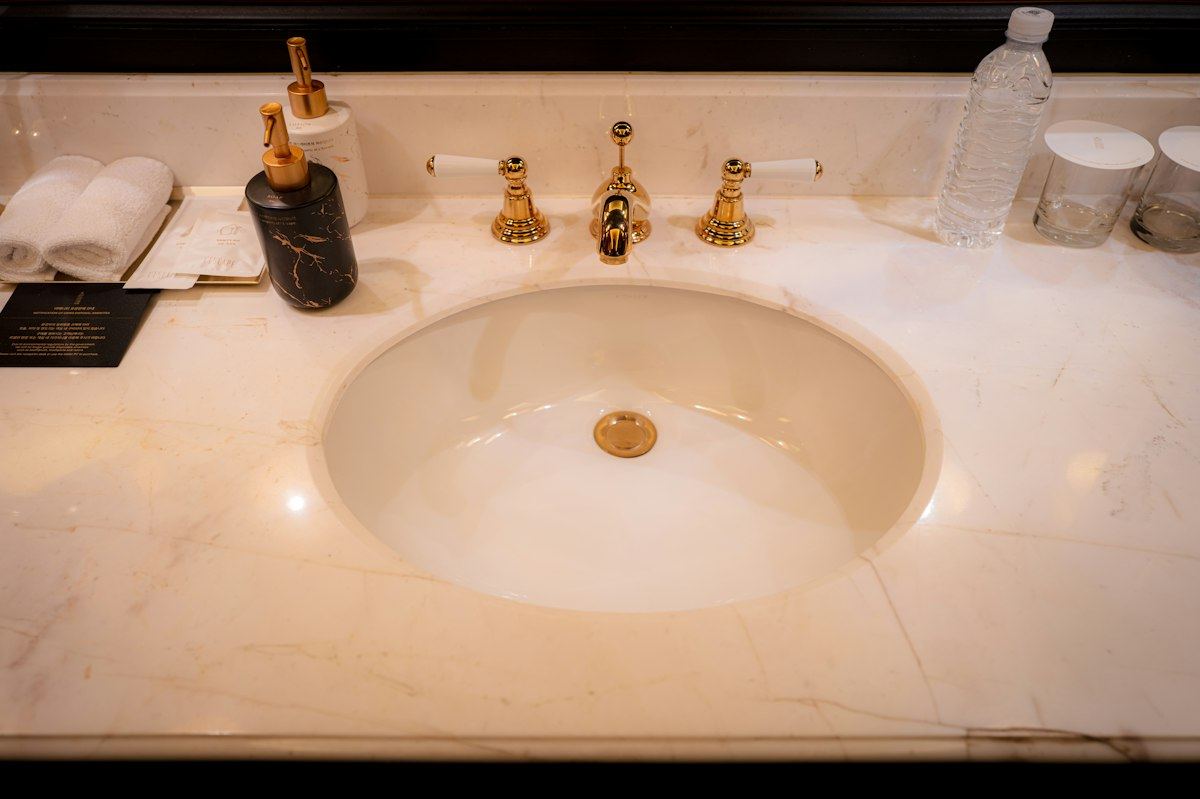
Restocking is part of the job
Soap, toilet roll, paper towels and sanitary bins should never be the thing a member of staff has to chase. A cleaner restocking at every visit — and flagging anything running low before the next one — takes that off your plate completely.
Whether the consumables are supplied by you or by us is worth agreeing up front; it's an easy thing to leave vague. We cover it on the walkthrough and put it in the quote.
The checks that catch problems early
A dripping tap, a slow drain, a broken lock or a cracked tile is not a cleaning issue — but the person cleaning is usually the first to see it. A good team tells you the same day, rather than working around it. That's the difference between a cleaner and a contractor who's just ticking a box.
See what's included on our washroom cleaning page, or read more about how often to schedule visits in how often should a commercial office be cleaned.
If nobody mentions the washrooms, the washrooms are being cleaned properly.
The short answer
A proper washroom clean is disinfecting, restocking and reporting — every visit. Agree who supplies the consumables, expect faults to be flagged, and keep an eye out for a team that treats it as a routine job rather than a checklist.